Home Treatments TMJ disorder treatment
TMJ disorder treatment
Jaw pain, clicking and headaches, taken seriously
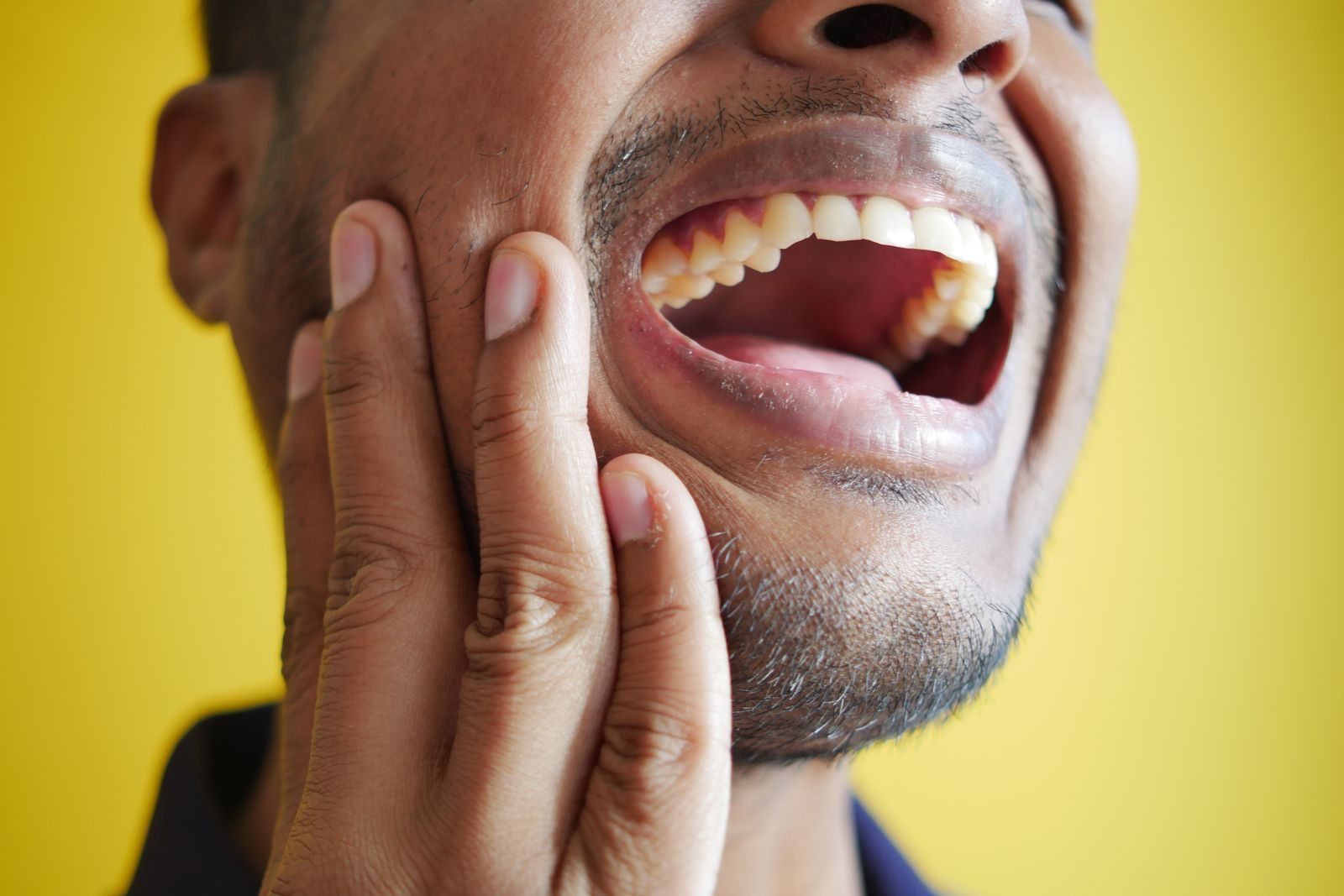
The jaw joint and the muscles that move it can become painful, stiff or noisy. Treatment starts with finding out which of those is actually the problem, because the answers are different.
What it is
The temporomandibular joint sits just in front of each ear and is the most used joint in the body — it moves every time you speak, eat or swallow. Between the bones is a small cartilage disc that should glide with the jaw. Trouble comes either from the muscles that work the jaw, from that disc, or from the joint surfaces themselves, and telling those apart is most of the diagnosis.
Muscular problems are the most common by a wide margin. Clenching and grinding — often at night, often during stressful periods — leave the muscles fatigued and tender. The pain is typically a dull ache around the cheeks and temples, worse in the morning, sometimes felt as headache or as earache when the ear is perfectly healthy.
Disc problems announce themselves with a click or pop as the jaw opens, and sometimes with the jaw catching or locking. A painless click on its own is common and frequently needs nothing but monitoring. A jaw that locks, or one that has suddenly stopped opening fully, needs prompt attention.
Most people improve with conservative treatment and never need anything surgical. Explanation of what is happening, a soft diet through a flare-up, jaw exercises, heat, attention to habits, and a properly made night guard resolve the majority. Treatment escalates only when it needs to, and irreversible things — grinding teeth down, extensive crowns — are not the starting point.
You may need this if…
- Aching around the jaw, cheek or temple, often worse in the morning
- Clicking, popping or grating when opening or chewing
- A jaw that catches, locks or will not open fully
- Headaches around the temples, or earache with a healthy ear
- Worn, flattened or sensitive teeth from grinding
- Waking with a tight or tired jaw
What happens, step by step
History
When it started, what makes it worse, whether you clench or grind, sleep quality, and periods of stress. This tells us more than any scan.
Examination
Measuring how far the jaw opens and whether it deviates, feeling the joints and the chewing muscles for tenderness, and examining the teeth for the wear patterns grinding leaves.
Imaging when indicated
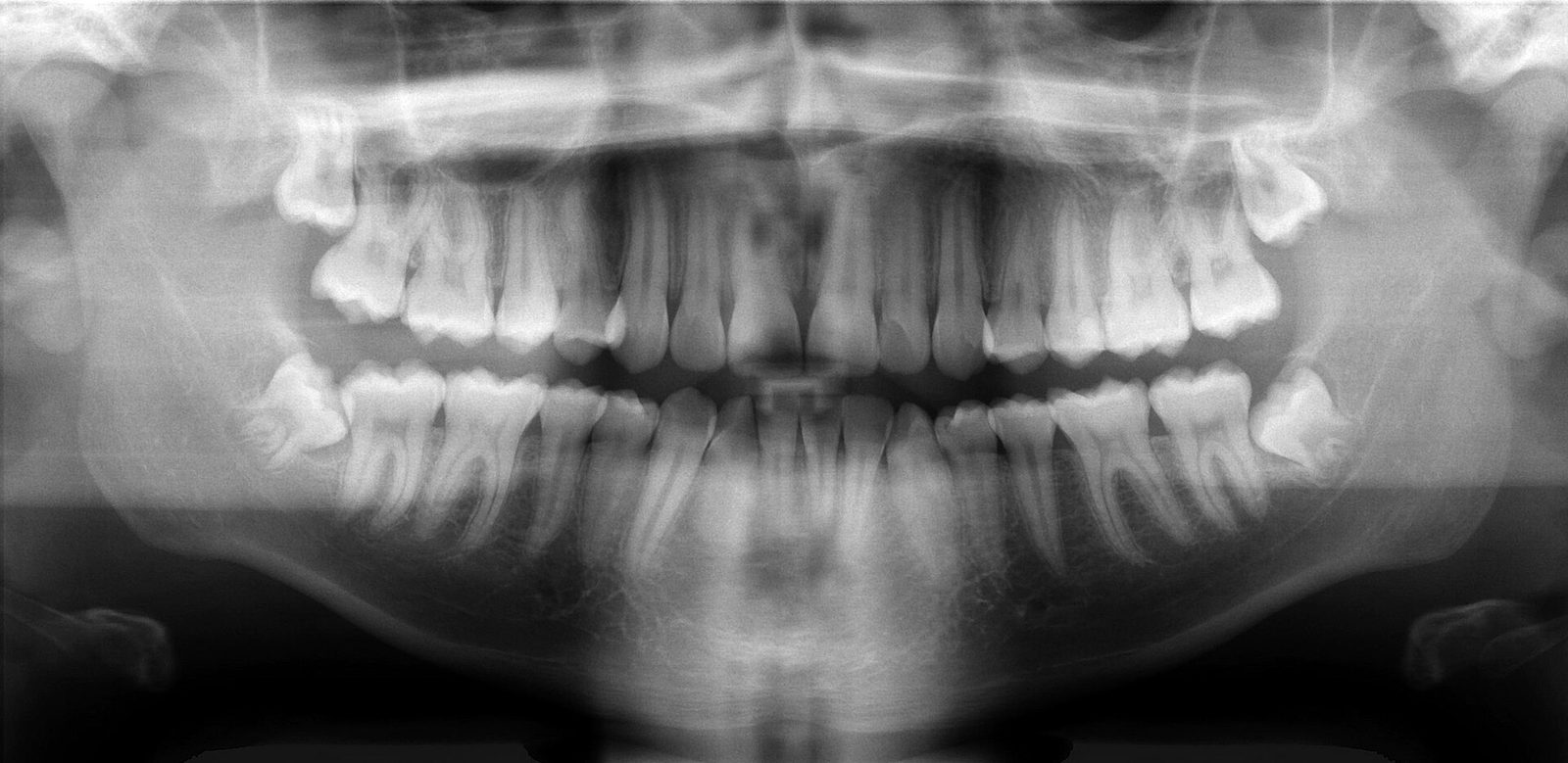
X-rays or a scan where the joint itself is suspected. Most muscular cases do not need imaging, and an unnecessary scan finds harmless things that then worry people.
First-line treatment
Explanation, a soft diet during flare-ups, moist heat, jaw exercises, and identifying the habits keeping it going — including daytime clenching people do not know they do.
A night guard
Where grinding is part of it, a guard made to fit and adjusted to your bite. It protects the teeth and reduces muscle load. A shop-bought guard that does not fit can make matters worse.
Further care
Physiotherapy, medication for a flare-up, or referral where the joint itself needs specialist assessment.
Looking after it afterwards
- Soft food during a flare-up; avoid chewing gum and wide yawning.
- Moist heat for muscular pain; the exercises matter more than they look.
- Notice daytime clenching — teeth should be apart at rest, lips together.
- Wear the guard as instructed and bring it to appointments so it can be checked.
- Come back if the jaw locks or opening suddenly reduces.
Questions people actually ask
My jaw clicks but does not hurt. Is that a problem?
Usually not. A painless click is common and often needs nothing more than keeping an eye on it. Pain, locking or a change in how far you can open are the things that warrant treatment.
Is surgery likely?
No. The large majority of people improve with conservative measures. Surgery is reserved for specific joint problems that have not responded, and is a specialist referral.
Is it caused by my bite?
Sometimes it contributes, but the older idea that TMJ problems are mostly a bite problem has not held up. That is why irreversible bite work is not a sensible first step.
Will stress management really help?
For clenching and grinding, often yes — not because the pain is imagined, but because the muscle overuse driving it commonly rises and falls with stress and sleep.
This page is general information about tmj disorder treatment. It is not advice about your own mouth — for that you need to be examined.
Related
People reading this also looked at
Want to talk it through first?
A consultation is a conversation and an examination. You leave with a written plan and a price, and no obligation to start.
Request an appointment