Home Treatments Orofacial pain and nerve conditions
Orofacial pain and nerve conditions
Face pain that is not coming from a tooth
Some face and mouth pain is nerve-related rather than dental. Recognising that early prevents unnecessary treatment on healthy teeth and gets the right care started.
What it is
Not all face pain comes from teeth, and one of the most valuable things a careful dental assessment does is recognise when it does not. People with nerve-related face pain frequently arrive having already had fillings, root canals or extractions on perfectly healthy teeth, because the pain felt exactly as though it came from there.
Trigeminal neuralgia is the clearest example: sudden, severe, electric-shock pain on one side of the face, lasting seconds, triggered by light touch, chewing, cold air or brushing. Between attacks there is often nothing. It does not behave like toothache, and it does not respond to dental treatment — it is managed medically, and a dentist's job is to recognise it and refer.
Other patterns include burning mouth syndrome, where the tongue and mouth burn without any visible cause; persistent pain that continues after a tooth has been treated or removed and the site has healed; and pain referred from elsewhere, including the jaw muscles, the sinuses, the neck, and occasionally the heart, where jaw pain can be a warning sign that needs urgent attention.
The approach is to be thorough before intervening. A tooth is not treated on suspicion alone when the pain does not fit a dental pattern. Where the picture points away from the teeth, the referral is to a neurologist or orofacial pain specialist, and care is shared rather than handed over — because dental factors like clenching often sit alongside the nerve problem.
You may need this if…
- Sudden electric-shock pains on one side of the face, triggered by touch or cold
- Burning of the tongue or mouth with nothing visible to explain it
- Pain that continued after a tooth was treated or removed and healed
- Pain that moves, or does not correspond to any one tooth
- Numbness or altered sensation in the lip, chin or tongue
- Face pain with headache, visual change or other neurological symptoms
What happens, step by step
A careful history
The character of the pain, what triggers and relieves it, how long each episode lasts, and what treatment has already been done. This is the single most useful part.
Ruling out dental causes properly
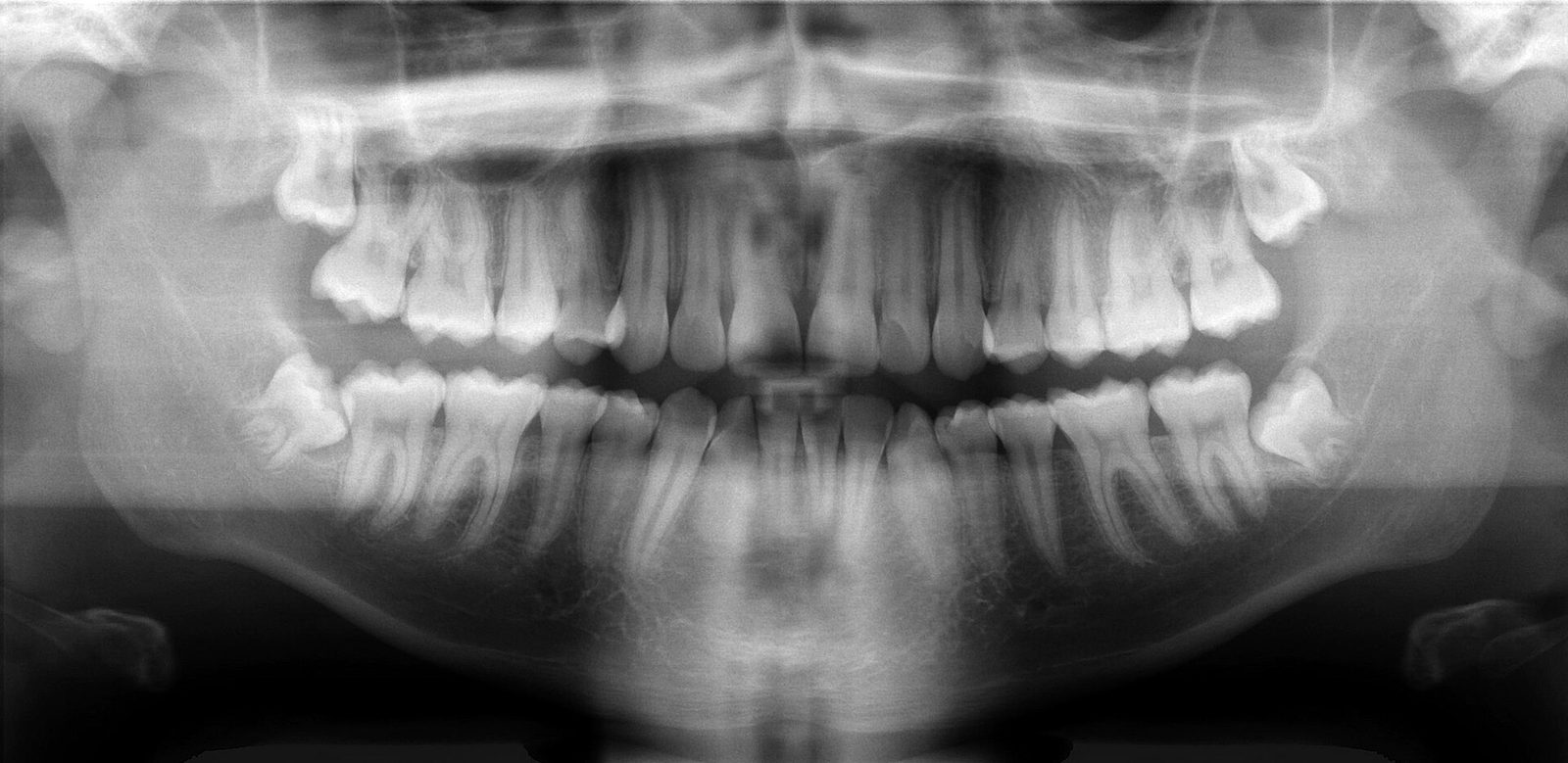
Examination, vitality tests and X-rays, so that a genuine dental cause is not missed — and so that a healthy tooth is not treated on suspicion.
Recognising the pattern
Whether the picture fits nerve pain, muscular pain, joint pain, sinus involvement or referred pain from elsewhere.
Referral where indicated
To a neurologist or orofacial pain specialist. Some patterns — new severe headache, numbness, neurological signs — are referred urgently.
What we manage here
The dental contributors: clenching and grinding, a night guard, jaw muscle care, and treating any genuine dental problem found alongside.
Shared follow-up
Keeping in contact so treatment is coordinated rather than duplicated, and so nothing is done to teeth unnecessarily.
Looking after it afterwards
- Keep a simple diary — when the pain comes, how long it lasts, what set it off. It is genuinely useful at the next appointment.
- Take medication prescribed by the specialist as directed; these are not painkillers taken as needed.
- Avoid known triggers where you can during a flare-up.
- Come back before agreeing to any further dental treatment for this pain elsewhere.
- Seek urgent care for sudden severe headache, weakness, numbness or visual change.
Questions people actually ask
Can a dentist treat a neurological condition?
No, and this page does not claim to. What a dentist does is recognise when face pain is not dental, avoid unnecessary treatment, refer you to the right specialist and manage the dental side alongside them.
Why did my root canal not help the pain?
Because the pain may not have been coming from that tooth. This is common with nerve-related face pain, and it is the reason for being careful before treating.
Is trigeminal neuralgia curable?
It is usually manageable. First-line treatment is medication prescribed by a neurologist, and there are surgical options where medication fails. That care belongs with a specialist.
What about burning mouth?
It is investigated for causes that can be treated — deficiencies, dry mouth, thrush, medication effects, denture problems — and managed with a specialist where none is found.
This page is general information about orofacial pain and nerve conditions. It is not advice about your own mouth — for that you need to be examined.
Related
People reading this also looked at
Want to talk it through first?
A consultation is a conversation and an examination. You leave with a written plan and a price, and no obligation to start.
Request an appointment