Home Treatments Fillings and restorations
Fillings and restorations
Repairing a tooth so it works and looks like a tooth
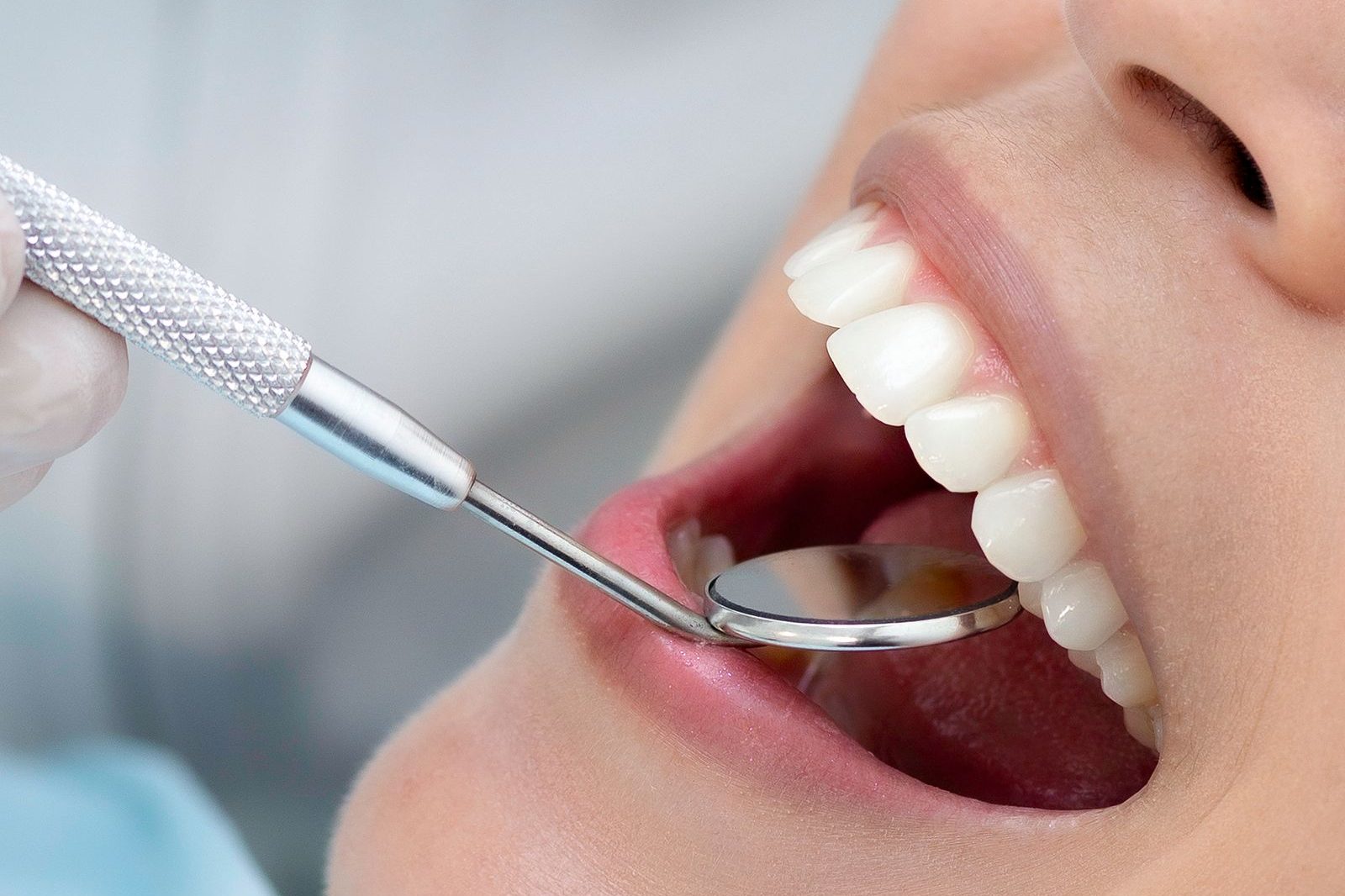
Removing decay and rebuilding the tooth with a tooth-coloured material. Where too much has been lost for a filling, an inlay, onlay or crown restores the shape and strength properly.
What it is
Decay is a hole being made by acid from bacteria feeding on sugars. It does not heal, and it does not stay the same size. A filling removes the decayed tissue and rebuilds the missing part so the tooth can chew and be cleaned again.
Composite — tooth-coloured resin — is bonded to the tooth and shaped directly in the mouth. It matches the shade, needs less healthy tooth removed than older materials did, and is what most fillings are made of now. Glass ionomer, which releases fluoride, is useful in particular situations, especially in children and near the gum line.
There is a point where a filling is the wrong answer. When so much of the tooth is gone that only thin walls remain, a large filling acts like a wedge and the tooth eventually splits. An onlay or crown covers and holds the tooth together instead. Recognising that point honestly is what stops a tooth being lost two years later.
Sensitivity for a few days after a deep filling is common as the tooth settles. Pain that builds, wakes you at night, or lingers after hot and cold usually means the nerve was more affected than it appeared, and that needs to be looked at rather than waited out.
You may need this if…
- A visible hole, dark spot or rough edge on a tooth
- Sensitivity to sweet, hot or cold
- Food consistently packing between two teeth
- A chipped or broken tooth, or a lost filling
- An old filling that has darkened, cracked or leaks at the edge
- Decay found on an X-ray before you can feel it
What happens, step by step
Diagnosis
Examination and, where decay sits between teeth, an X-ray — because those are invisible to the eye until they are large.
Numbing
Local anaesthetic for anything deep. Very small fillings sometimes do not need it, and you decide.
Removing the decay
All of it. Leaving decay under a filling is how a tooth that has been 'filled' goes on to need a root canal.
Rebuilding
The composite is bonded in layers and set, then shaped to the tooth's own contours so that floss passes and food does not pack.
Checking the bite
Adjusted until it meets evenly. A filling left high is uncomfortable and can make the tooth ache for weeks.
Polishing
A smooth surface stains less and collects less plaque.
Looking after it afterwards
- Wait until the numbness has gone before eating, so you do not bite your lip or cheek.
- Mild sensitivity for a few days is normal.
- Tell us if it feels high when you bite — it takes a minute to adjust.
- Clean between your teeth daily; most new decay starts where a brush cannot reach.
- Return if pain increases or wakes you at night.
Questions people actually ask
Will the filling match my tooth?
Composite is shade-matched, and on front teeth the match is usually very close. Composite does pick up stain at the margins over years, more so with tea, coffee and tobacco.
How long do fillings last?
Commonly five to ten years or more, depending on size, position, your bite and how well the area is cleaned. Large fillings in heavy chewers last less.
Why do I need a crown instead?
Because too little tooth is left for a filling to be safe. A large filling in a weakened tooth works like a wedge, and the tooth splits — sometimes below the gum, where it cannot be saved.
Can a small cavity be watched?
Very early decay that has not broken the surface can sometimes be arrested with fluoride and better cleaning, and monitored. Once it is through into the softer layer beneath, it needs restoring.
This page is general information about fillings and restorations. It is not advice about your own mouth — for that you need to be examined.
Related
People reading this also looked at

Want to talk it through first?
A consultation is a conversation and an examination. You leave with a written plan and a price, and no obligation to start.
Request an appointment