Home Treatments Children's dentistry
Children's dentistry
A first visit that does not become a lifelong fear
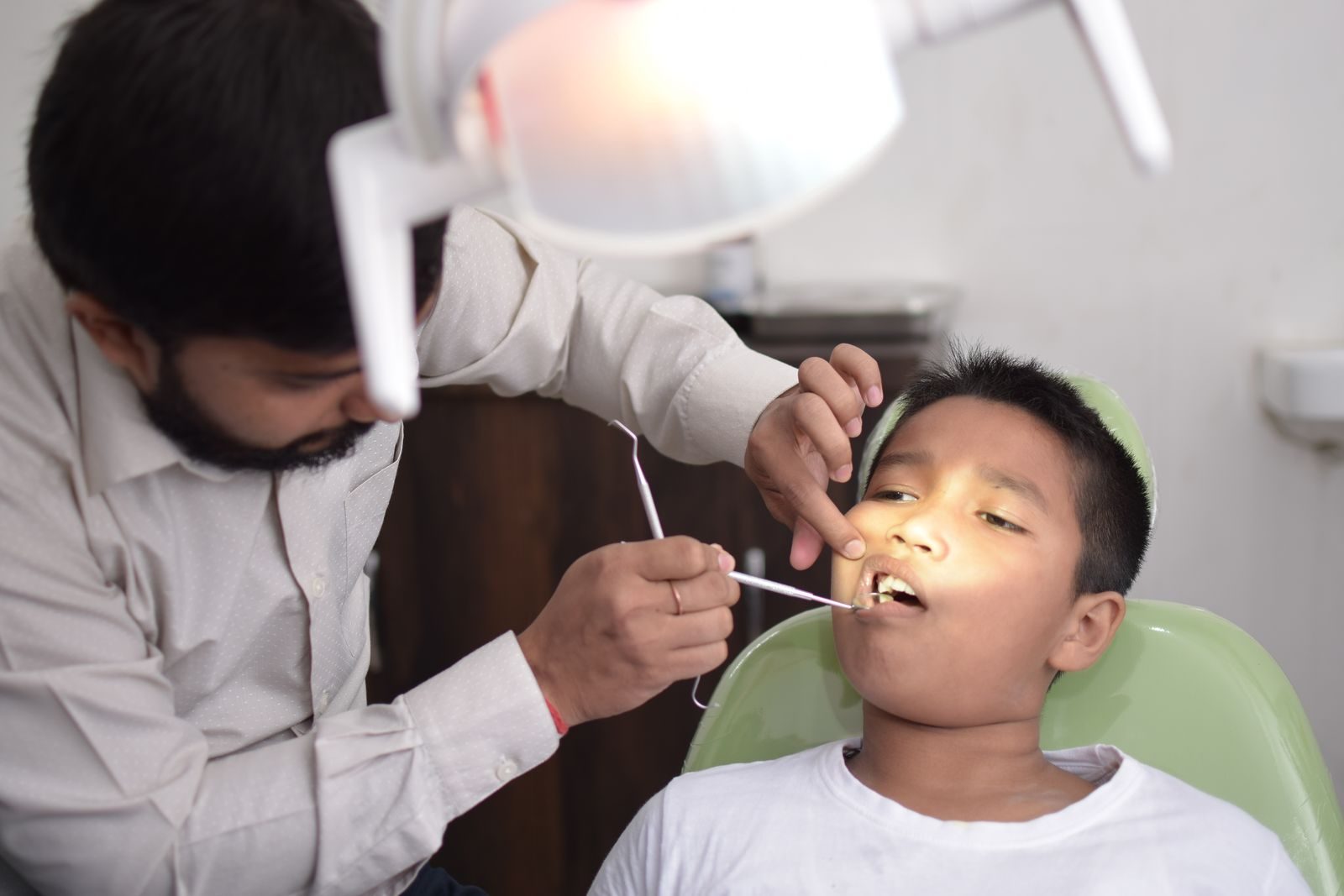
Dental care for children, from the first check-up through fillings, sealants and guidance on habits — with the pace set by the child rather than the appointment book.
What it is
Most adults who dread the dentist can name the visit where it started. That is the thing children's dentistry is really trying to prevent. A first visit that is unhurried, where nothing hurts and the child is shown things rather than have them done to them, is worth more than any single filling.
Bring a child for the first time at around one year old, or when the first teeth appear. Nothing much happens at that visit, and that is the point — they sit in the chair, have their teeth counted, and leave. It also lets us spot early decay, which in very young children can move quickly.
Milk teeth matter, despite being temporary. They hold the space for the adult teeth coming behind them; losing one early lets the others drift and crowd the space. They are also how a child chews and speaks for years, and an abscessed milk tooth is as painful for them as it would be for you.
Prevention does most of the work: brushing with a fluoride toothpaste, sealants on the deep grooves of new back teeth, fluoride applications where decay risk is high, and an honest conversation about how often sugar is eaten rather than how much. Habits like thumb sucking and mouth breathing are worth raising early, because they change how the jaws grow.
You may need this if…
- The first teeth have appeared and there has been no check yet
- White or brown marks on the teeth
- Complaints of pain, or avoiding chewing on one side
- A knocked or chipped tooth after a fall
- Thumb sucking or persistent mouth breathing
- Adult teeth coming through behind the milk teeth
What happens, step by step
Getting comfortable
A look around, counting teeth, and letting the child hold the mirror. Nothing is forced on a first visit.
Examination
A check of all the teeth and the bite, with a small X-ray only when it will change what we do.
Prevention
Cleaning, fluoride application where useful, and sealants on the deep grooves of new permanent molars.
Treatment when needed
Fillings, or a pulp treatment and crown for a badly decayed milk tooth. Explained to the child in words they can follow, at a pace they can manage.
Guidance for you
Brushing technique, what to do about habits, and where sugar is actually coming from in the day.
Regular reviews
Usually every six months, more often if decay risk is high, and watching how the adult teeth are arriving.
Looking after it afterwards
- Brush twice a day with a fluoride toothpaste; children need help until about seven or eight.
- It is how often sugar is eaten, not the total amount, that matters most — grazing is worse than one sitting.
- Water or milk between meals; juice and fizzy drinks at mealtimes only.
- If a permanent tooth is knocked out, hold it by the crown, put it in milk and come straight away — the first hour counts.
Questions people actually ask
When should the first visit be?
Around the first birthday, or when the first tooth appears. Early visits are about familiarity rather than treatment.
Do milk teeth really need filling?
Often yes. They hold space for the adult teeth and they hurt when they abscess. Which ones need treating depends on how close the tooth is to falling out naturally.
My child is terrified. What then?
Tell us before the appointment. We go slower, start with things that need no instruments, and build over several visits. Nothing useful is achieved by holding a frightened child down.
Are X-rays safe for children?
Dental X-rays use a very small dose and are taken only when the result will change the treatment — usually to find decay between teeth that cannot be seen directly.
This page is general information about children's dentistry. It is not advice about your own mouth — for that you need to be examined.
Related
People reading this also looked at
Want to talk it through first?
A consultation is a conversation and an examination. You leave with a written plan and a price, and no obligation to start.
Request an appointment