Home Treatments Orthodontic treatment
Orthodontic treatment
Moving teeth into place, with braces or aligners
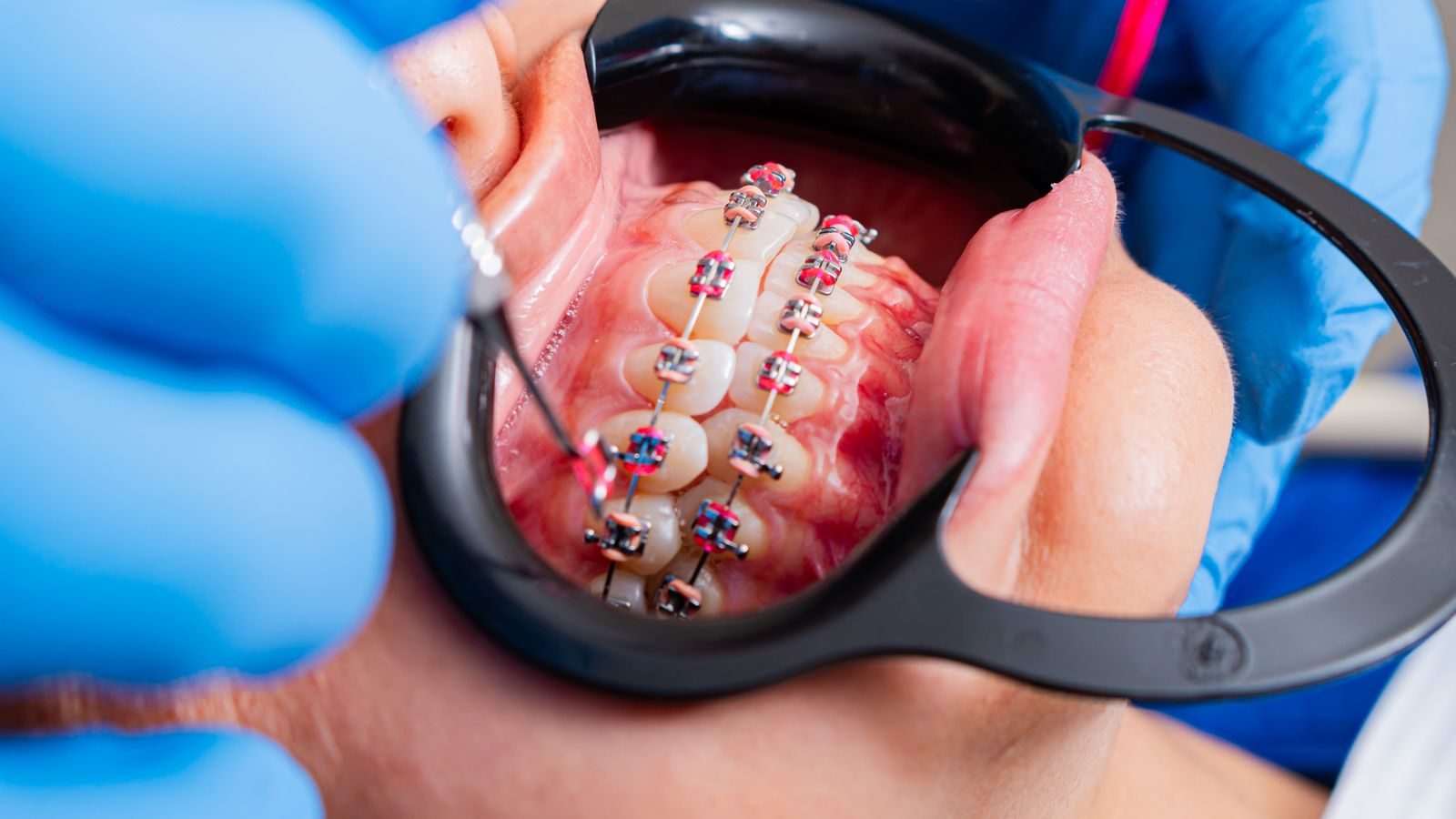
Braces and clear aligners move teeth gradually into a better position. Treatment typically runs from several months to two years, and ends with retainers that hold the result.
What it is
Teeth are not set in bone like nails in wood. They sit in a ligament that responds to gentle, sustained pressure — bone dissolves on one side of the root and rebuilds on the other, and the tooth moves. That biology sets the pace. Heavier force does not move teeth faster; it hurts more and risks the roots.
Fixed braces are brackets bonded to each tooth with a wire between them. They can move teeth in ways nothing else manages, including rotating a tooth or moving a root bodily, and they work whether or not the patient remembers to do anything. Ceramic brackets are much less visible than metal.
Clear aligners are a series of removable trays, each slightly different, worn around 22 hours a day. They are nearly invisible and come out to eat and brush, which most people prefer. They rely entirely on being worn — and they are better suited to some movements than others, which is an assessment question, not a preference question.
Whichever is used, retention is part of the treatment rather than an afterthought. Teeth drift back towards where they started, most in the first months but slowly for years. That means a fixed wire behind the front teeth, a removable retainer at night, or both — indefinitely. Treatment without retention undoes itself.
You may need this if…
- Crowded, crooked or overlapping teeth
- Gaps you would rather close
- Protruding upper front teeth, which are also more prone to injury
- A bite that meets unevenly
- Teeth that have drifted after a tooth was lost
- Preparation before crowns, veneers or implants, to get the teeth into the right place first
What happens, step by step
Assessment
Examination, photographs, models or a scan and X-rays, and a discussion of what is achievable.
The plan
Which appliance, roughly how long, whether any teeth need removing to make space, and what the result should look like.
Fitting
Brackets bonded and the first wire placed, or the first aligners issued with attachments where needed. Teeth are tender for a few days afterwards.
Adjustments
Every four to eight weeks the wire is changed or new aligners are started. Each step is small; the progression is the treatment.
Finishing
Detailing the final positions, which is slower than the big movements and is what separates a good result from an adequate one.
Retention
Retainers fitted the day the appliances come off, with clear instructions on wear. Reviews continue afterwards.
Looking after it afterwards
- Brush after every meal with braces; clean between the teeth daily.
- Avoid hard and sticky foods that break brackets — and cut apples and carrots rather than biting them.
- Aligners work only when worn: 22 hours a day, out only to eat and clean.
- Wear retainers for life as instructed. This is the part people regret skipping.
- Report broken brackets or lost aligners promptly.
Questions people actually ask
How long does it take?
Simple alignment of the front teeth can take a few months. A full correction of the bite is commonly twelve to twenty-four. Your own estimate comes from the assessment.
Braces or aligners?
Aligners suit many cases and are far less visible; fixed braces handle complex movements more predictably and do not depend on being worn. Which is appropriate is an assessment finding.
Is it painful?
Tender for two to three days after fitting and after each adjustment, then it settles. Ordinary painkillers cover it.
Will my teeth move back?
They try to. That is exactly what retainers are for, and why they are worn indefinitely rather than for a few months.
This page is general information about orthodontic treatment. It is not advice about your own mouth — for that you need to be examined.
Related
People reading this also looked at
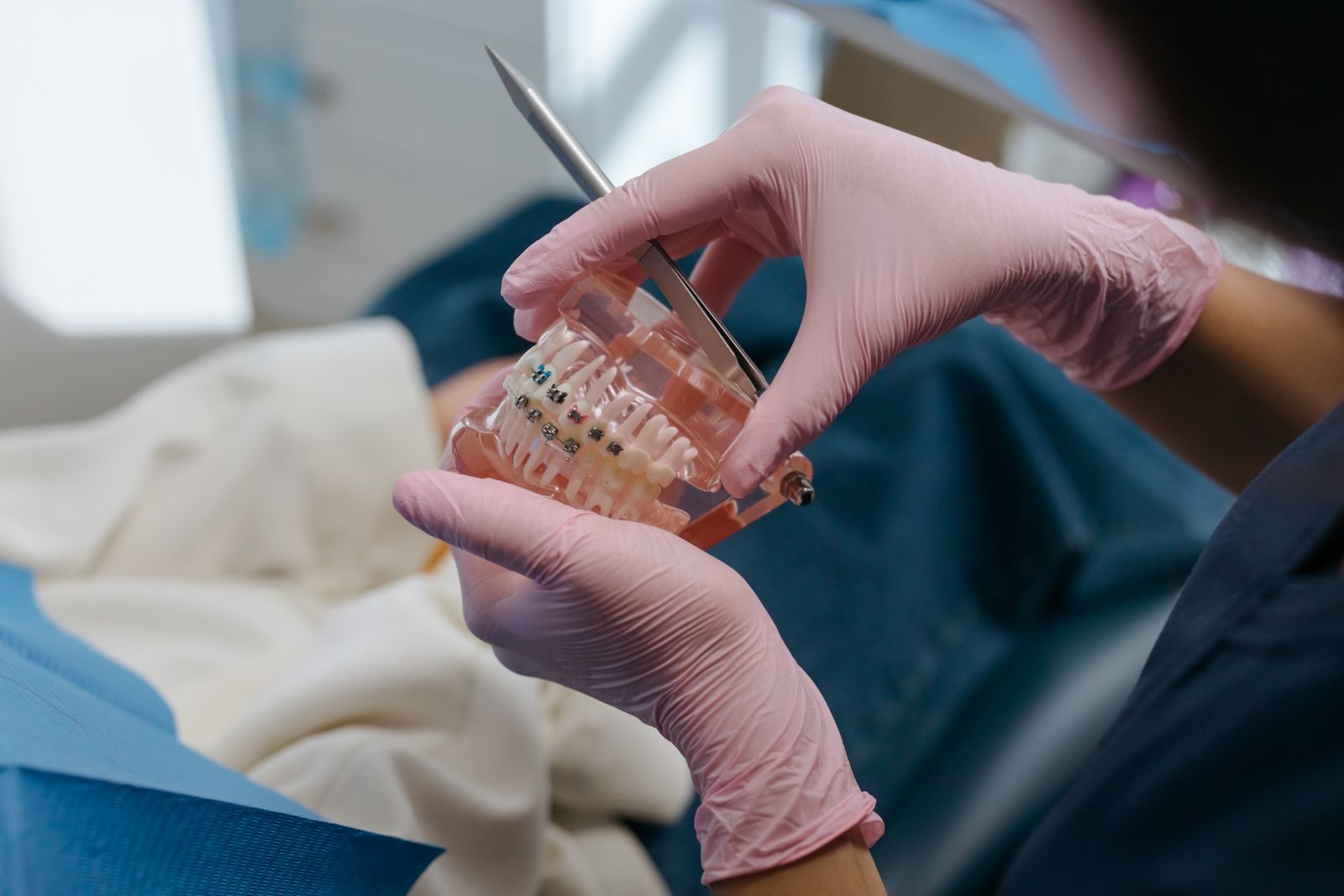


Want to talk it through first?
A consultation is a conversation and an examination. You leave with a written plan and a price, and no obligation to start.
Request an appointment