Home Treatments Complete dentures
Complete dentures
A full set, fitted to how your mouth actually moves
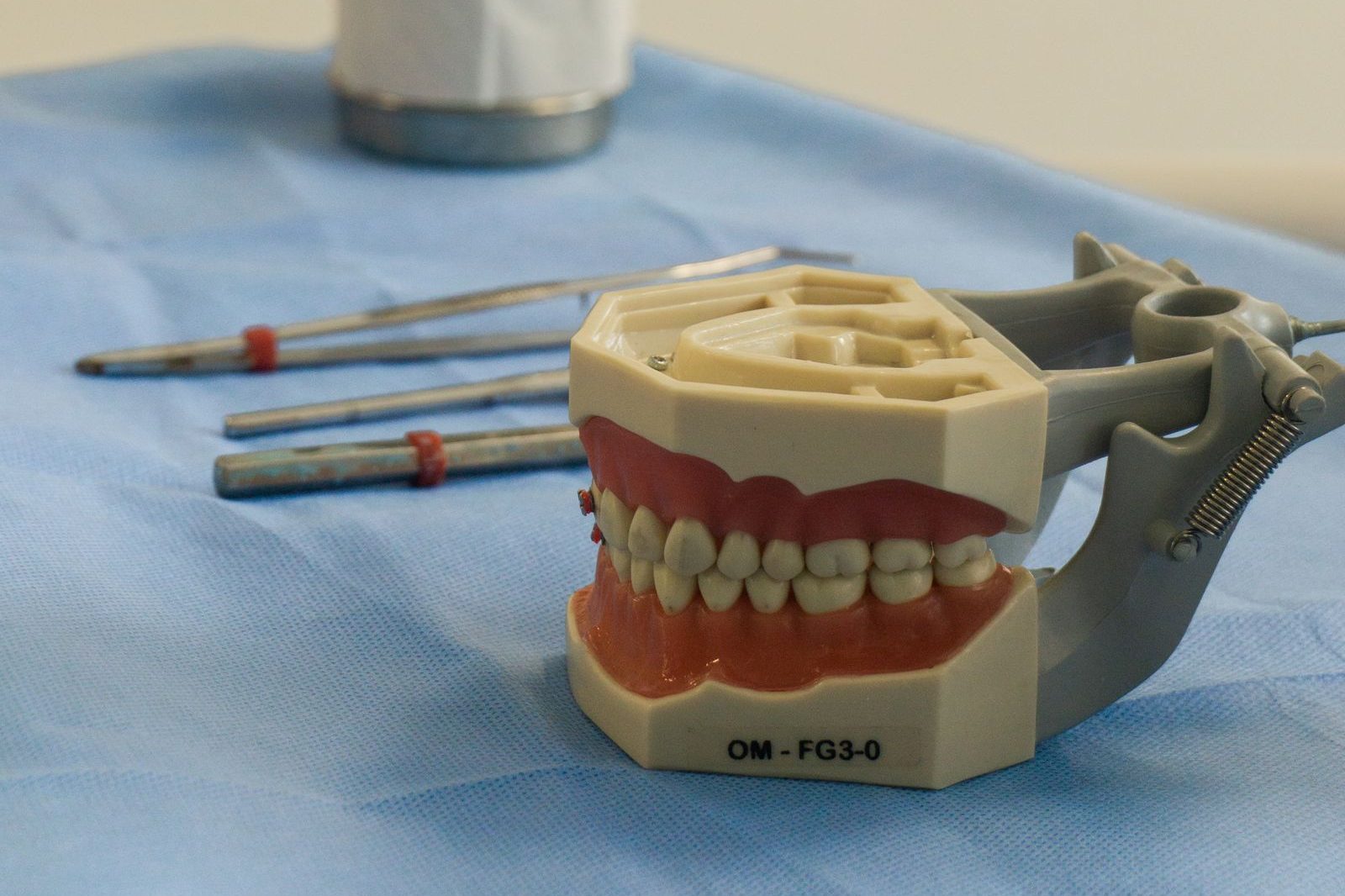
When all the teeth in a jaw are gone, a complete denture restores chewing, speech and the support your lips and cheeks have lost. The fit depends on careful stages, not on a single impression.
What it is
A complete denture rests on the gum and the bone beneath it. Nothing holds it in place but suction, the shape of your ridges, and the muscles of your cheeks and tongue learning to work with it. That is why a denture made in a hurry rarely feels right, and why the stages matter.
Each visit does a specific job. Impressions record the ridge. A second, more accurate impression records it under the same slight pressure the denture will sit with. Bite blocks record how your jaws meet and how far apart they should be — too closed and the face looks collapsed, too open and the teeth click. A trial denture in wax lets you see and approve the teeth before they are set in acrylic.
New dentures always feel large at first, and speech takes a week or two to settle. Sore spots in the first days are normal and are adjusted, not endured — a denture that is rubbing will make an ulcer, and an ulcer that is ignored is how people give up on dentures altogether.
Over the years the ridge underneath continues to shrink, and a denture that fitted well becomes loose. That is the bone changing, not the denture wearing out, and it is why relines and eventual replacement are part of the arrangement rather than a failure. Where the lower denture never feels secure, two implants can be used to clip it in place.
You may need this if…
- All the teeth in a jaw are missing or beyond saving
- An old denture that has become loose, or that clicks
- Difficulty eating, or avoiding foods you used to enjoy
- A collapsed appearance to the lower face
- Sore spots or ulcers from an ill-fitting denture
What happens, step by step
Examination
An assessment of the ridges, the gum health and any remaining roots, with X-rays where needed.
First impressions
A preliminary impression of each jaw, from which an individual tray is made for your mouth alone.
Working impressions
A second, accurate impression taken in that tray, recording the ridge and the way the surrounding muscles move.
Recording the bite
Wax blocks establish how your jaws meet, how much tooth shows when you smile and speak, and the height of the lower face.
Trial fitting
The teeth are set in wax and tried in. This is when you look in the mirror and say what you think — colour, size, arrangement can all still change.
Fitting
The finished denture is fitted and adjusted, with follow-up visits in the days after for any sore spots.
Looking after it afterwards
- Expect a week or two of adjustment; read aloud to settle your speech.
- Take them out at night unless told otherwise, and keep them in water so they do not dry out.
- Clean them over a basin of water — they break easily on a hard floor.
- Clean your gums and tongue with a soft brush every day.
- Come back for sore spots rather than living with them, and for a yearly check even with no teeth left.
Questions people actually ask
How soon after extractions can I have them?
An immediate denture can be fitted on the day the teeth come out so you are never without them, but the gum shrinks a great deal in the first months, so it will need relining or replacing. A denture made after healing fits better and lasts longer.
Will I be able to eat normally?
Not straight away. Start with soft food cut small, chew on both sides at once, and build up. Most foods come back; very hard and very sticky ones are the ones people continue to avoid.
Why does the lower one move more?
The lower ridge is smaller and the tongue sits on top of it, so there is far less to hold on to. This is the single most common complaint, and the situation implants help with most.
Do I still need to see a dentist?
Yes. The check is for the fit of the denture and for the health of the gums, tongue and soft tissues — including screening for anything that should not be there.
This page is general information about complete dentures. It is not advice about your own mouth — for that you need to be examined.
Related
People reading this also looked at
Want to talk it through first?
A consultation is a conversation and an examination. You leave with a written plan and a price, and no obligation to start.
Request an appointment