Home Treatments Root canal treatment
Root canal treatment
Saving a tooth that hurts, instead of losing it
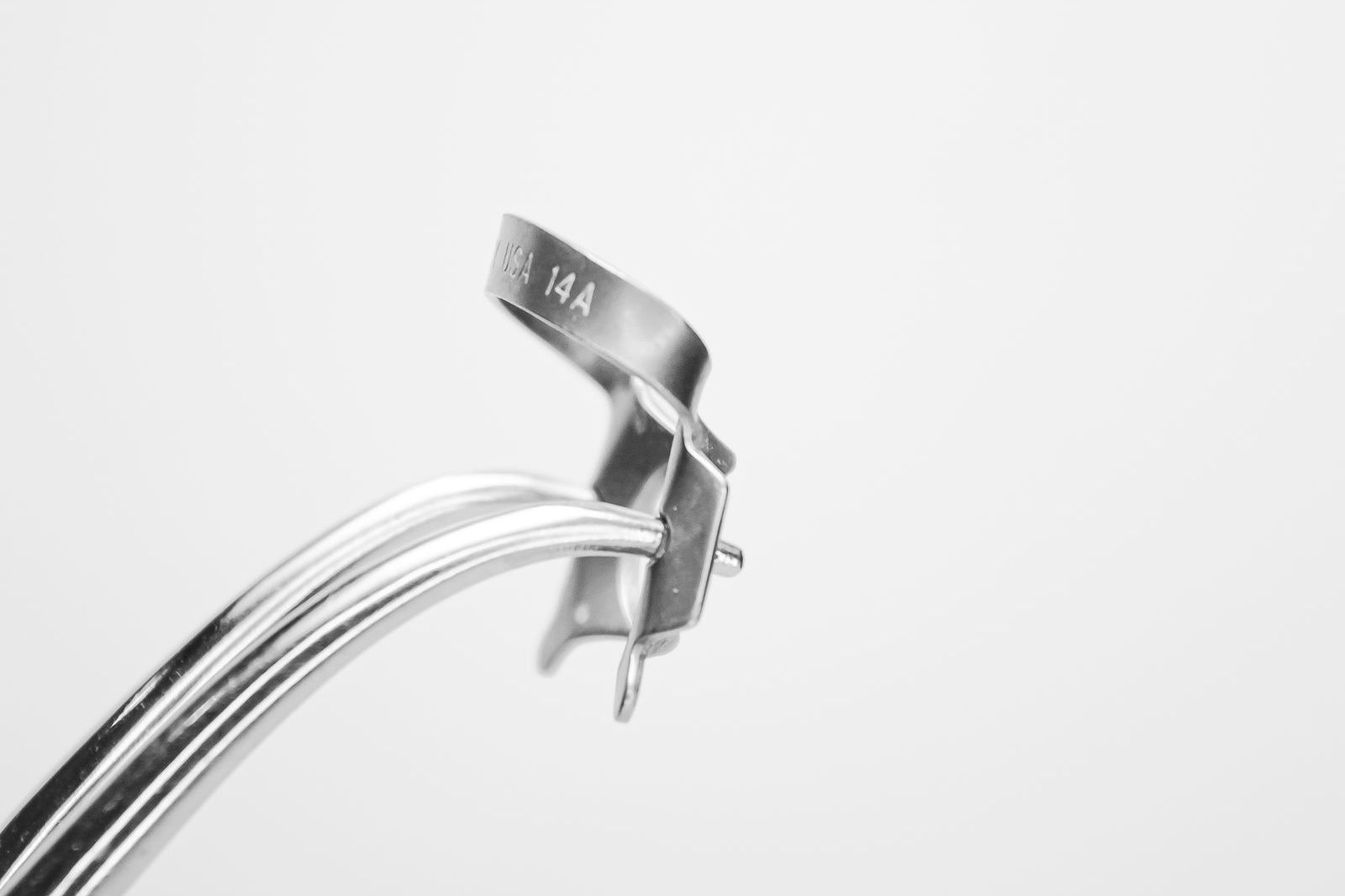
When decay or injury reaches the nerve inside a tooth, the pain can be severe. A root canal removes the damaged nerve, cleans and seals the space, and keeps your own tooth in place.
What it is
Inside every tooth is a soft core of nerve and blood vessels called the pulp. It sits in a narrow channel that runs from the crown down through each root. When decay gets deep enough, or a tooth is cracked or knocked hard, bacteria reach that pulp and it becomes inflamed. That is the pain that keeps people awake — sharp, throbbing, often worse lying down.
Once the pulp is damaged beyond recovery it does not heal on its own. Left alone, the infection spreads through the root tip into the bone and forms an abscess. Root canal treatment stops that. The pulp is removed, the canals are cleaned and shaped, and the space is filled with an inert material so bacteria cannot return.
The tooth stays in your jaw, doing its job. That matters more than it sounds: a natural root holds the bone around it, keeps the neighbouring teeth from drifting, and gives you a bite you do not have to think about.
A treated back tooth becomes more brittle, because the pulp's blood supply is gone and a large part of the crown has usually been lost to decay. That is why a crown is normally recommended afterwards — not as an extra, but as the part that stops the tooth splitting later.
You may need this if…
- Severe or throbbing toothache, often worse at night
- Lingering pain after something hot or cold, rather than a brief twinge
- Pain on biting, or the tooth feeling 'high'
- A gum boil or swelling near the tooth
- A tooth that has darkened after an old injury
- Deep decay found on an X-ray, even without pain yet
What happens, step by step
Diagnosis
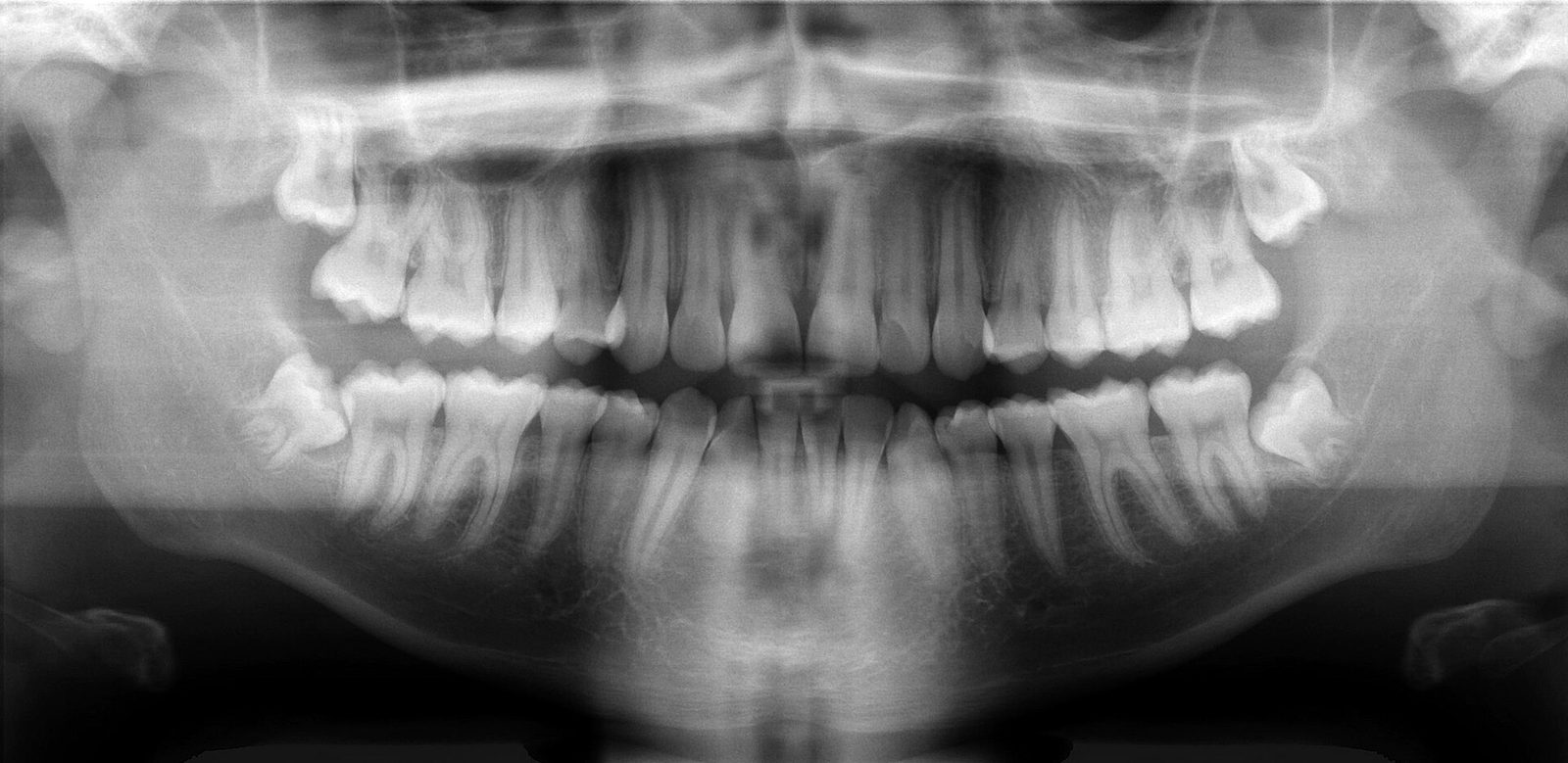
An examination and an X-ray of the tooth, and tests to see whether the nerve is still alive. The X-ray shows how many roots there are and whether infection has already reached the bone.
Numbing
Local anaesthetic. A tooth that is already inflamed can be harder to numb, so we take the time to check you are properly numb before starting, and top up if needed.
Opening and cleaning
A small opening is made through the biting surface. The damaged pulp is removed and each canal is cleaned and shaped with fine instruments, flushed with disinfectant as we go.
Dressing
In most cases a medicated dressing is sealed inside for a week or so. This settles the infection and is usually when the pain stops.
Filling the canals
At the next visit the canals are filled and sealed, and a radiograph confirms the filling reaches the root tip.
Rebuilding the tooth
The tooth is restored — a filling, often a post and core where little natural tooth is left, and then a crown to protect it from splitting.
Looking after it afterwards
- Tenderness on biting for a few days is normal; it settles.
- Avoid chewing on that side until the permanent restoration is fitted.
- Take the medication as prescribed, and finish the course.
- Come back for the crown. A treated tooth left without one can fracture, and a split root usually cannot be saved.
- Tell us straight away if swelling appears or the pain grows rather than fades.
Questions people actually ask
Is it as painful as people say?
The reputation comes from the era before modern anaesthetics. The pain people remember is usually the abscess that brought them in, not the treatment. With the tooth properly numb the procedure itself feels much like having a filling — pressure and vibration rather than pain.
Why not just take the tooth out?
It is quicker and cheaper on the day. But a gap changes how you chew, the teeth either side drift into it, and the bone under the gap shrinks over time. Replacing the tooth later with an implant or bridge costs considerably more than saving it now.
How long will the tooth last?
A well-treated and properly crowned root-treated tooth can last for decades. The two things that shorten that are leaving it without a crown, and gum disease around it.
Why does it take more than one visit?
The dressing between visits does real work — it settles infection that cannot be cleaned away mechanically. Rushing to seal an infected canal is how treatments fail.
This page is general information about root canal treatment. It is not advice about your own mouth — for that you need to be examined.
Related
People reading this also looked at
Want to talk it through first?
A consultation is a conversation and an examination. You leave with a written plan and a price, and no obligation to start.
Request an appointment